
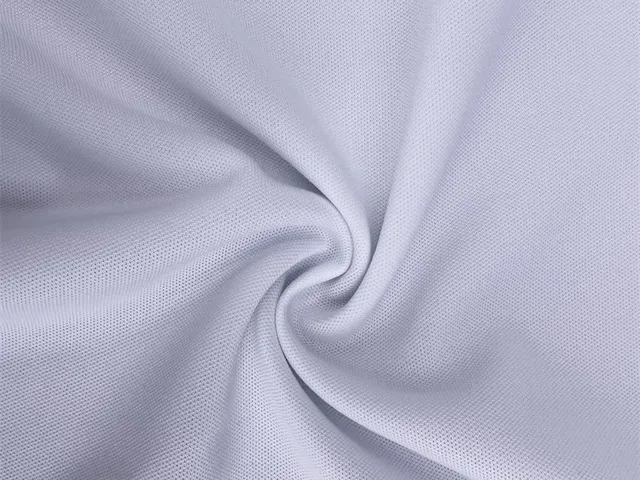
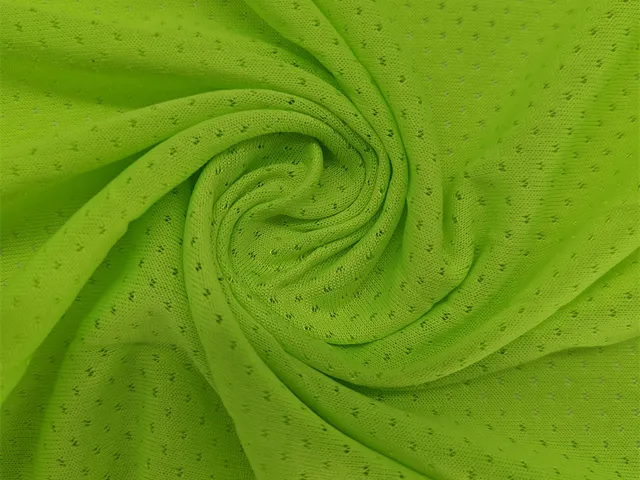
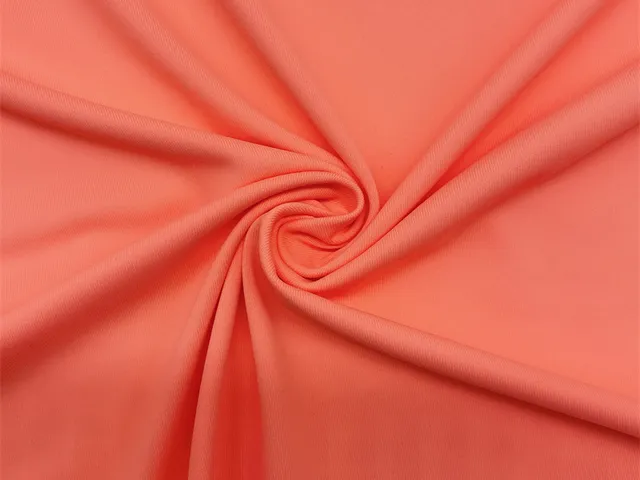
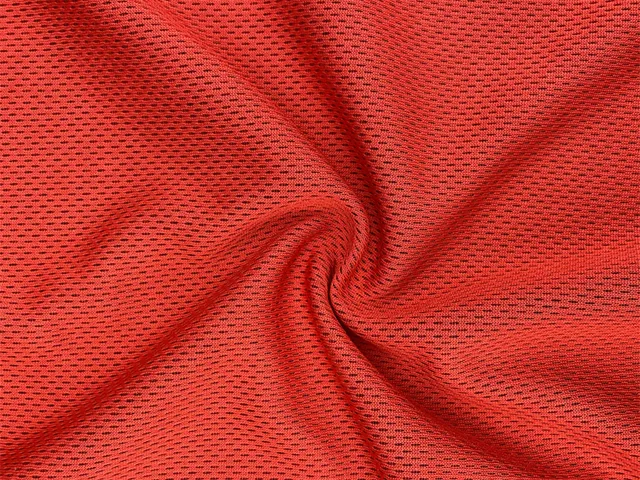
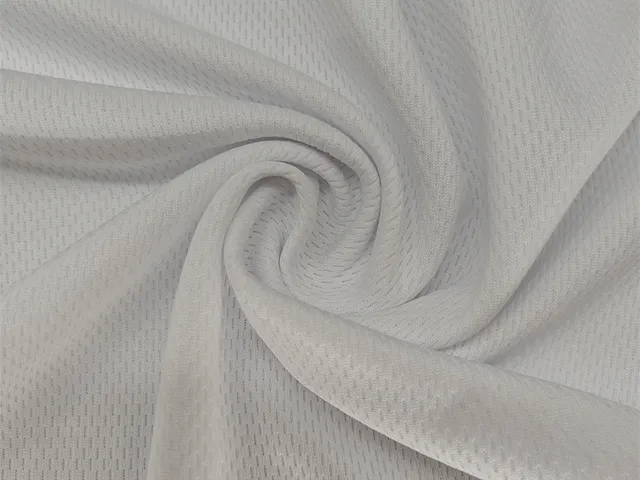
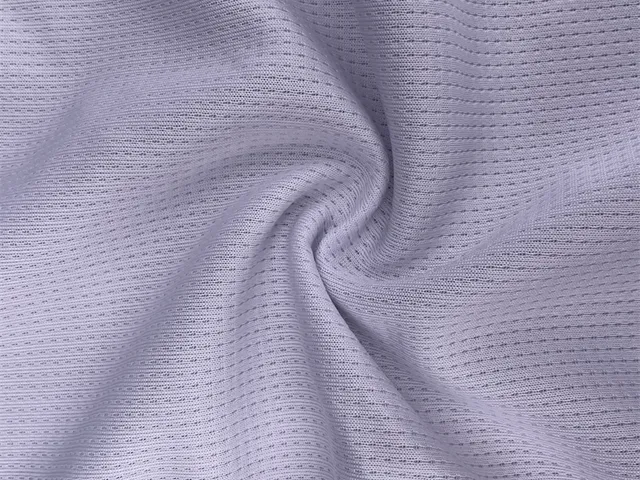
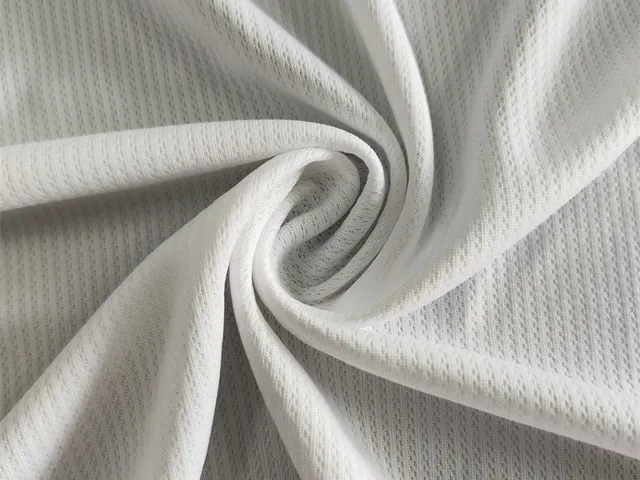
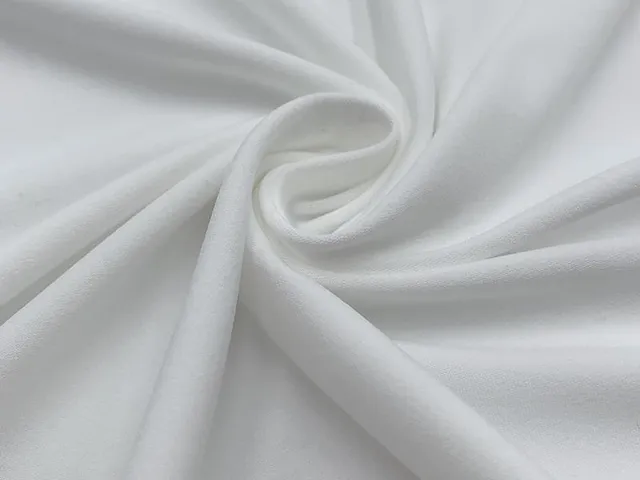

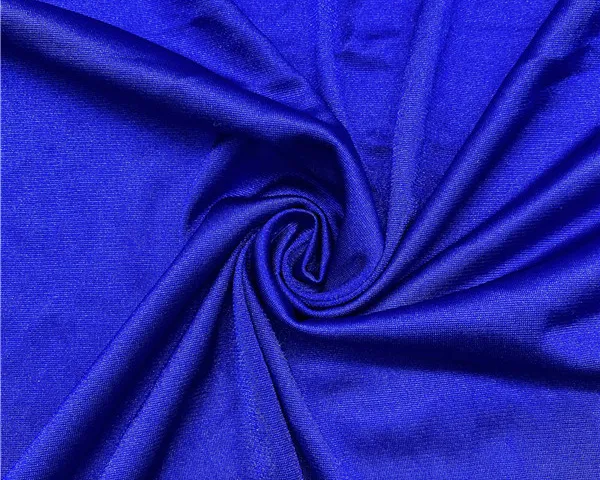
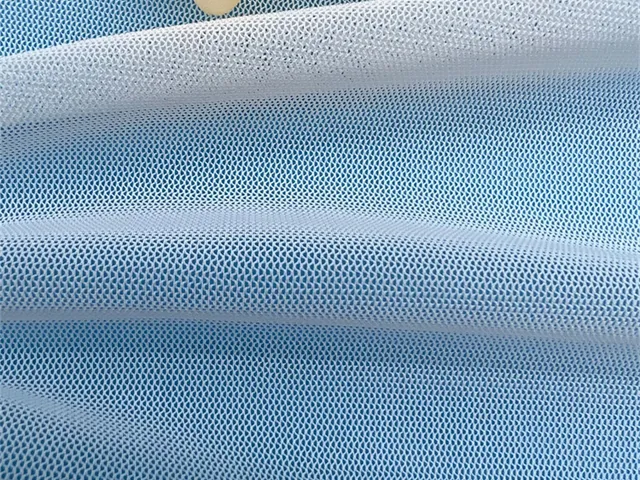
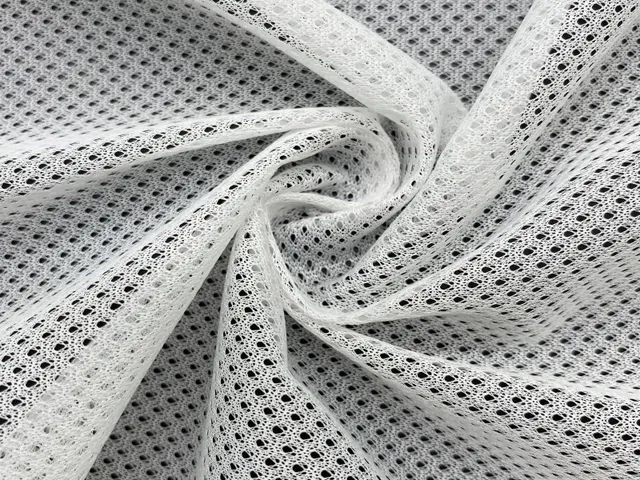
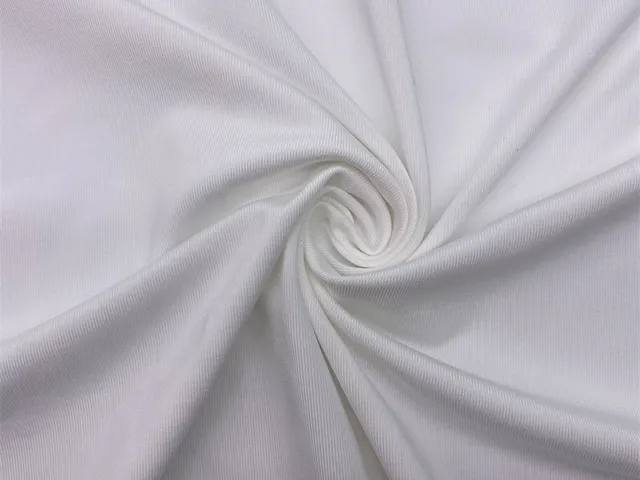
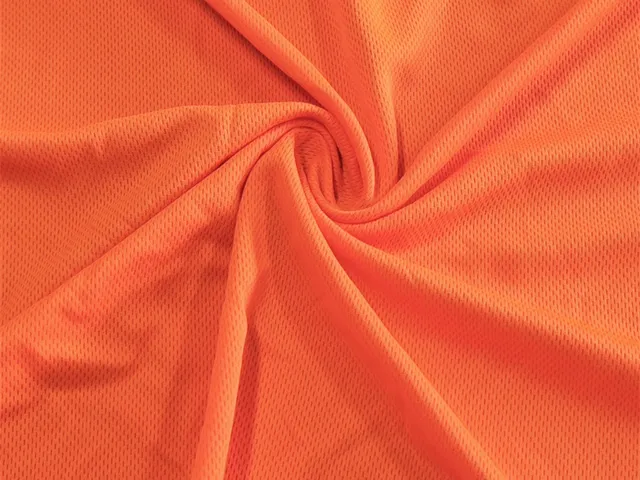
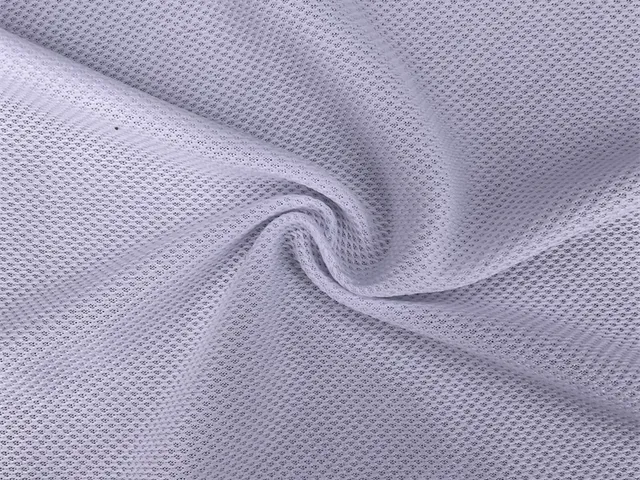
Fabric families available for sampling and bulk order
Each fabric family differs in knit structure, GSM range, stretch direction, and finishing options. Mesh categories run 85–230 GSM; tricot categories cover smooth 100–160 GSM lining and shell structures; sportswear and swimwear programs span 130–200 GSM with or without spandex content.
- Mesh fabric
- Tricot fabric
- Sportswear fabric
- Underwear fabric
The factory produces documented fabric families from its Fujian warp-knitting mill. Mesh structures cover open-hole teamwear mesh, mini mesh for linings, diamond mesh for outer panels, and power mesh for support zones. Tricot covers smooth shell fabrics and lining structures. Sportswear, swimwear, luggage, coated and protective programs include both polyester and nylon-spandex directions, with sublimation-ready and recycled-content variants available.
Category-to-application mapping
| Application requirement | Main category starting point | Why that category usually comes first | Typical next move |
|---|---|---|---|
| Sports jerseys, training tops, gymwear | Sportswear Fabric | Covers body-fabric performance, print method, wash stability and activewear construction fit | Compare related products or sportswear guides |
| Ventilation mesh, visible athletic inserts, breathable linings | Mesh Fabric | Best when structure openness, airflow and panel use are still the main issues | Compare mesh SKUs or airflow-focused guides |
| Body-close underwear, bra lining, support panels | Underwear Fabric | Best when handfeel, opacity, support role and intimate-use comfort matter most | Compare underwear body, lining or support options |
| Swim shell, swim lining, stretch beachwear | Swimwear Fabric | Best when stretch recovery, shell-versus-lining role and print suitability drive the requirement | Review swim category, then shell/lining comparison |
| Smooth lining, warp-knit inner layer, low-profile support structure | Tricot Fabric | Best when a cleaner surface and smoother warp-knit structure are more relevant than open mesh | Compare tricot SKUs or lining-related guides |
| Coated, outdoor, technical-use, bag or reinforcement projects | Outdoor Functional Fabric | Best when coating compatibility, stability and exposure condition matter more than soft apparel comfort | Compare technical fabric families and target products |
Fabric structure differences across categories
Warp-knit mesh structures range from 55 GSM breathable lining mesh to 250 GSM power mesh for compression shapewear. Tricot fabrics offer dull or shiny surface finishes with stable 4-way stretch, suited for swim lining and intimate apparel. Sportswear fabrics cover quick-dry polyester from 140 GSM for training tops to 200 GSM for heavier performance tops.
Composition options across the factory's range include 100% polyester, polyester-spandex blends (4–20% spandex), nylon-spandex (10–20% spandex), and recycled polyester or recycled nylon variants certified under GRS 4.0. Custom GSM, width, color, and finish packages are supported from sampling stage.
Common specification ranges by category
Mesh and sportswear fabric GSM coverage
Mesh fabrics from Changle Textile cover 55–250 GSM across polyester and nylon-spandex compositions. Lower GSM constructions (55–100 GSM) suit lining and underwear panels; mid-range (120–160 GSM) covers teamwear jerseys and training tops; heavier constructions (180–250 GSM) apply to sport tops, outdoor panels, and compression shapewear.
Does the project need one category or more than one fabric role?
Many projects need more than one fabric role. Sportswear often separates body fabric and ventilation mesh. Underwear often separates body fabric, lining and support panel. Swimwear often separates shell, lining and control panel. If more than one role exists, the team should shortlist each role separately instead of trying to solve all positions through one category.
What usually blocks a clean category choice?
The most common blockers are vague end use, missing performance priority, unclear panel role and incomplete RFQ inputs. If the team still cannot say whether the project is driven by airflow, support, softness, print appearance, recovery or coating compatibility, category selection stays too broad and product comparison becomes noisy.
Key specification inputs for fabric quotation
- Garment role: body fabric, lining, support panel, shell fabric, mesh insert or technical component
- Category direction: mesh, tricot, sportswear, underwear, swimwear or functional fabric
- Performance target: airflow, opacity, smoothness, recovery, print method, abrasion or coating compatibility
- Commercial stage: sampling, development, repeat order or quotation
- Basic spec window: expected GSM range, width, color or finish target
- Approval method: handfeel review, wash stability, stretch recovery, opacity check or formal testing
Recommended material-selection actions
- Application-driven requirements should first define garment role and end use with Applications.
- Incomplete quotation requests usually benefit from the fabric RFQ guide.
- When the fabric family is clear, compare the relevant fabric category or Contact Us team.
- Technical comparisons can be supported by these English guides:
- Fabric for Team Jerseys and Training Tops
- Fabric for Bra Lining and Underwear Panels
- Swimwear Lining Fabric Opacity & Recovery