
Fabric Categories
Mesh Fabric for Sportswear & Lining
Mesh fabric for sportswear, lining, underwear and technical programs, selected by structure, GSM and stretch target.
View Specifications →Warp Knit Tricot Fabric for Swimwear and Lining
Warp-knit tricot fabric for swimwear, lingerie, lining and technical programs, selected by stretch direction and surface feel.
View Specifications →Sportswear Fabric
Sportswear fabric for activewear programs, selected by GSM, knit structure, breathability, printability and stretch target.
View Specifications →Swimwear Fabric for Stretch and Print Programs
Swimwear fabric for stretch, print and lining programs, selected by recovery, chlorine resistance, print method and support level.
View Specifications →Underwear Fabric
Underwear fabric for basics, lingerie, lining and support programs, selected by composition, GSM and handfeel.
View Specifications →Jersey Fabric for T-Shirts and Activewear
Single-jersey fabric for T-shirts, training tops and fitted activewear, selected by handfeel, stretch level and print method.
View Specifications →Interlock Fabric for Sports Tops and Polos
Interlock fabric for sports tops, polos, lining panels and structured activewear. Compare body, opacity and wash stability before sampling.
View Specifications →Jacquard Fabric
Jacquard fabric for sportswear and technical knit programs, selected by pattern depth, airflow and stretch target.
View Specifications →Melange Fabric for Sportswear and Heather Knits
Melange fabric for sportswear, casual activewear and heather knit programs, selected by color effect, GSM and production stability.
View Specifications →Recycled Fabric for Certified rPET Programs
Recycled fabric for sportswear, lining and certified rPET programs, selected by certification requirement, structure and GSM.
View Specifications →Sublimation Fabric for Jerseys & Print
Sublimation fabric for sportswear, jerseys and print-led activewear by print clarity, shrinkage and surface smoothness.
View Specifications →Bag & Luggage Fabric for Gear
Bag and luggage fabric for carrying systems and outdoor gear, selected by strength, stability and finishing compatibility.
View Specifications →Custom Coated Fabric for Outdoors
Custom coated fabric for bag, outdoor and utility programs, selected by substrate, flexibility and coating target.
View Specifications →Outdoor Functional Fabric for Gear
Outdoor functional fabric for breathable, coated, UV-related and protective textile programs by performance target.
View Specifications →Workwear Protective Fabric for Safety
Workwear protective fabric for safety vests, uniform tops and durable apparel by durability, opacity and finish target.
View Specifications →Underwear and lingerie programs should separate body fabric, lining fabric and support fabric by handfeel, opacity, recovery and wash stability before sampling.
Featured product directions
Review representative products for this fabric category.
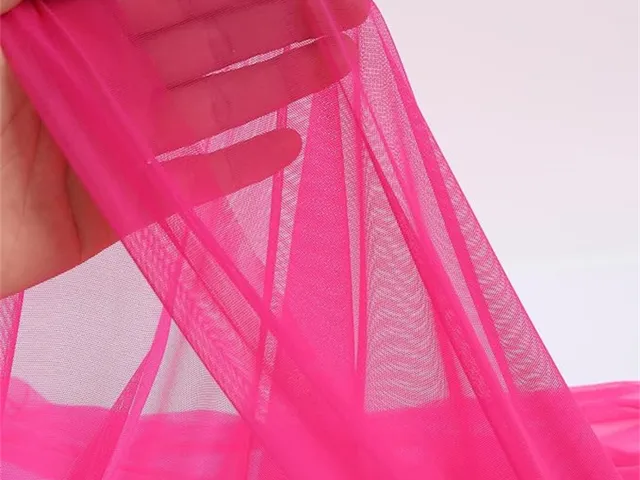
Nylon spandex power mesh soft comfortable stretch tulle fabric | Changle Textile
Nylon spandex power mesh soft comfortable stretch tulle fabric (FTT070305). Specs: 75 GSM, 150 cm, 90% Polyamide. Applications: lingerie, swimwear
Product Details →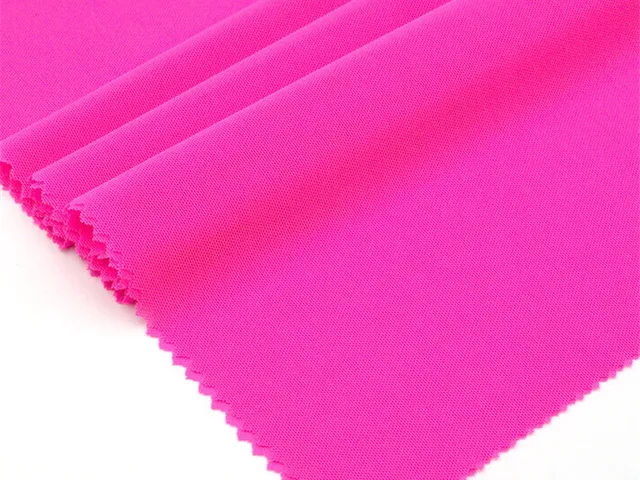
Nylon Spandex Power Mesh Tulle Fabric FTT30101 | Changle Textile
Wholesale lightweight nylon spandex power mesh tulle fabric (FTT3101). Specs: 85 GSM, 160 cm, 90% Nylon 10% Spandex. Soft 4-way stretch tulle for lingerie
Product Details →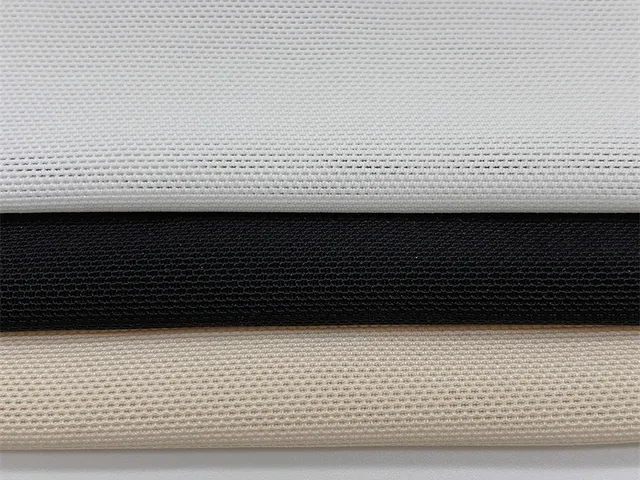
High compression 250gsm power mesh powernet fabric for shapewear | Changle Textile
High-compression 250 GSM power mesh powernet fabric for shapewear and support panels. Specs: 250 GSM, 150 cm, 85% nylon, 15% spandex Raschel powernet.
Product Details →Underwear fabric usually falls into four fabric roles
Underwear and intimate apparel programs draw from three fabric directions: soft tulle and lightweight power mesh (85–120 GSM) for lining and breathable panels; medium power mesh (120–165 GSM) for bra backs and wing panels; and high-compression powernet (165–250 GSM) for shapewear and control zones.
- soft body fabric versus lining fabric
- breathable mesh versus fuller cover
- light support versus true compression
- daily basics versus support-led intimate programs
Underwear fabric GSM, compression level and structure options
Key commercial checks
- Garment role: Main body, lining, side panel, bra wing or support zone.
- Handfeel and skin contact: Soft daily comfort and direct-skin lining should not be sourced like compression panels.
- Opacity and cover: Light intimate fabrics should be reviewed under extension, not flat on the desk.
- Recovery and growth: Body-close underwear, wings and control panels need different rebound levels.
- Bulk stability: Laundering, pilling, shade control and width stability should be named before quotation.
Common product fits
- Soft stretch mesh for light lining and breathable panel work:
- Nylon Spandex Power Mesh Soft Comfortable Stretch Tulle Fabric
- Light power mesh for bra backs, delicate underwear panels and breathable support:
- Nylon Spandex Power Mesh Tulle Fabric
- Firmer compression-led support mesh for shapewear and stronger control zones:
- High Compression 250 GSM Power Mesh Powernet
Which underwear fabric roles should stay separate?
Do not mix these jobs into one sample request:
- soft skin-contact lining
- visual or breathable mesh inserts
- bra wings that need controlled recovery
- high-compression shapewear zones
Those jobs can sit in one garment, but they should not be approved under one vague underwear label.
RFQ details that keep sampling on track
Send:
- garment role
- target composition or shortlist direction
- GSM range and usable width
- opacity requirement
- stretch direction and recovery expectation
- wash-use risk
- estimated order quantity and timing
That gives enough information to recommend the correct development option instead of sending generic intimate-fabric swatches.
Related technical guides
For panel-role separation, see the bra lining and underwear panel fabric guide.
For power and support decisions, use power mesh for shapewear and support panels.
Products in this category
Review matching product options by construction, GSM, composition and target application.
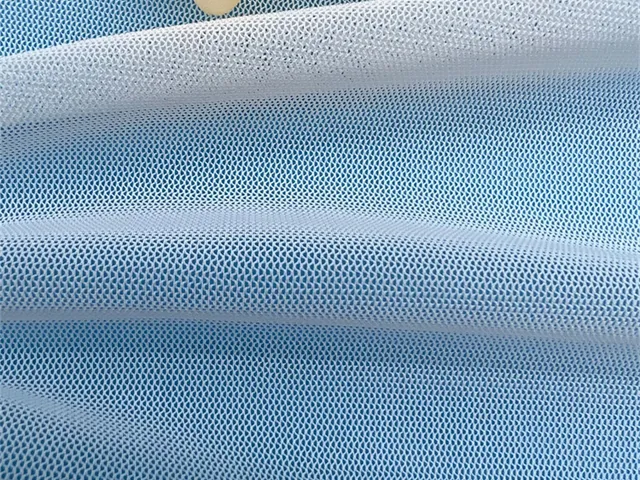
4-Way Stretch 95% Polyester 5% Spandex Power Mesh FTT30909 | Changle Textile
Wholesale 4-way stretch 95% Polyester 5% Spandex power mesh fabric (FTT30909) from factory. Specs: 100 GSM, 160 cm. Fully sheer lining mesh
Product Details →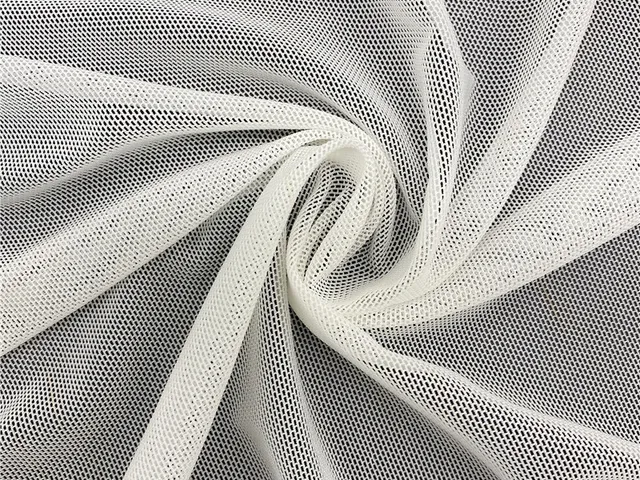
4 Way stretch spandex elastic powernet power mesh fabric | Changle Textile
4 Way stretch spandex elastic powernet power mesh fabric (FTT30097). Specs: 105 GSM, 150 cm, 92% Polyester 8% Spandex. Applications: lingerie, swimwear
Product Details →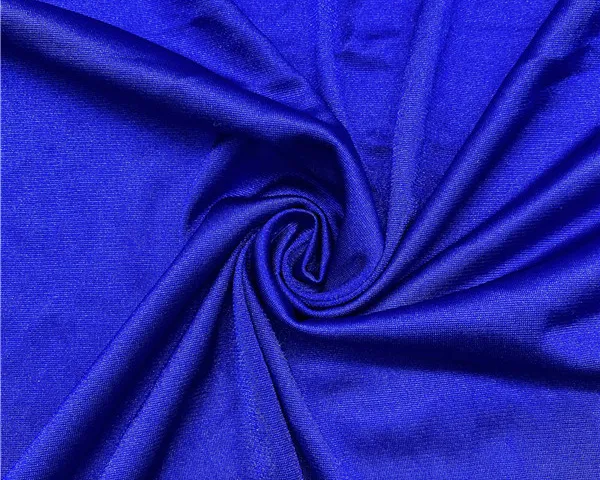
40D Nylon Tricot for Nightgowns, Drapery and Buyer-Validated Aerial Prototypes | Changle Textile
FTT20620 is an 86 GSM, 100% nylon warp-knit tricot in 60-inch and 108-inch widths for nightgowns, lingerie, drapery, and aerial or hammock prototypes requiring buyer validation.
Product Details → High compression 250gsm power mesh powernet fabric for shapewear | Changle Textile
High-compression 250 GSM power mesh powernet fabric for shapewear and support panels. Specs: 250 GSM, 150 cm, 85% nylon, 15% spandex Raschel powernet.
Product Details →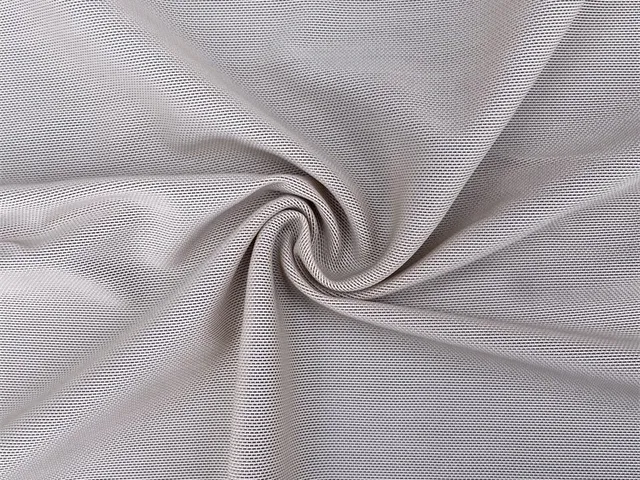
High compression semi dull nylon spandex power mesh fabric | Changle Textile
High compression semi dull nylon spandex power mesh fabric (FTT30122). Specs: 250 GSM, 160 cm, 85% Nylon, 15% Spandex. Applications: shapewear, lining, sportswear, underwear
Product Details →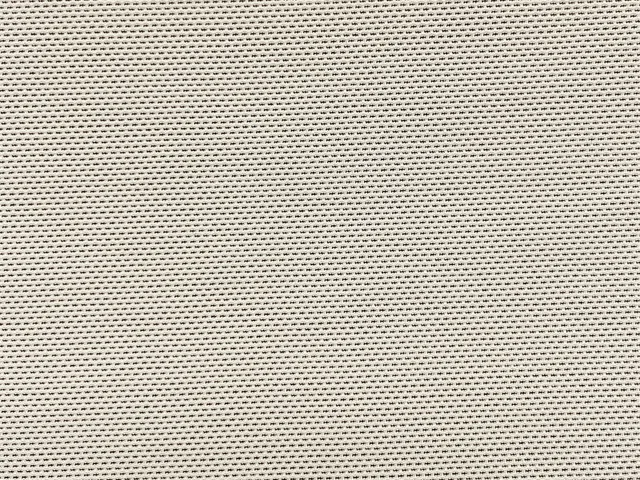
Nylon spandex high compression power mesh fabric | Changle Textile
Nylon spandex high compression power mesh fabric (power-250gsm). Specs: 250 GSM, 150 cm, 15% Spandex 85% Nylon. Applications: lingerie, swimwear. Factory
Product Details →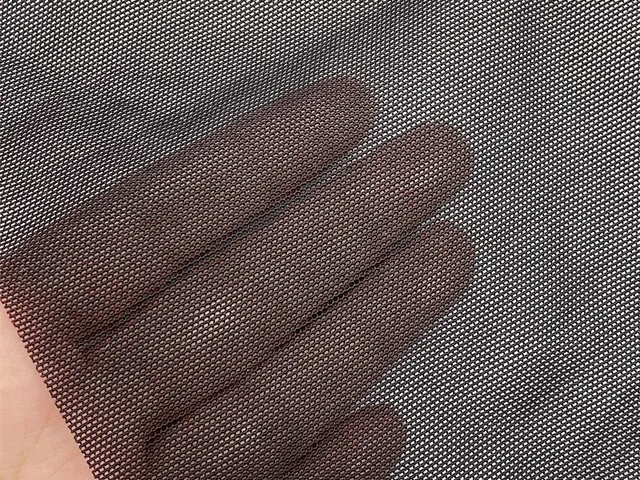
Nylon Spandex Power Mesh Powernet 150 GSM | Changle Textile
Wholesale 85% nylon 15% spandex power mesh powernet (150 GSM, 150 cm) from factory. Medium-weight Raschel warp-knit for shapewear, swimwear lining
Product Details → Nylon spandex power mesh soft comfortable stretch tulle fabric | Changle Textile
Nylon spandex power mesh soft comfortable stretch tulle fabric (FTT070305). Specs: 75 GSM, 150 cm, 90% Polyamide. Applications: lingerie, swimwear
Product Details → Nylon Spandex Power Mesh Tulle Fabric FTT30101 | Changle Textile
Wholesale lightweight nylon spandex power mesh tulle fabric (FTT3101). Specs: 85 GSM, 160 cm, 90% Nylon 10% Spandex. Soft 4-way stretch tulle for lingerie
Product Details →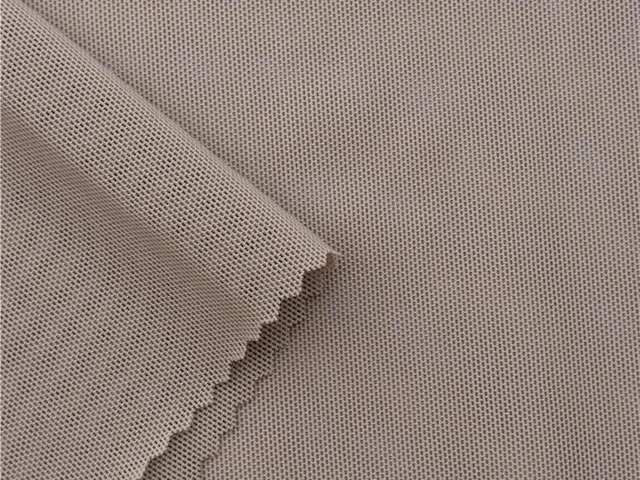
88% Nylon 12% spandex power net stretch fabric for shapewear | Changle Textile
Wholesale 88% Nylon 12% Spandex power net stretch fabric (FTT30075). Specs: 150 GSM, 160 cm. 4-way stretch Raschel mesh for shapewear and swimwear panels
Product Details → Polyamide spandex corset power mesh fabric | Changle Textile
Wholesale polyamide spandex corset power mesh fabric from Changle Textile. 150 GSM Raschel power mesh with 150 cm width for shapewear, corsets, girdles
Product Details →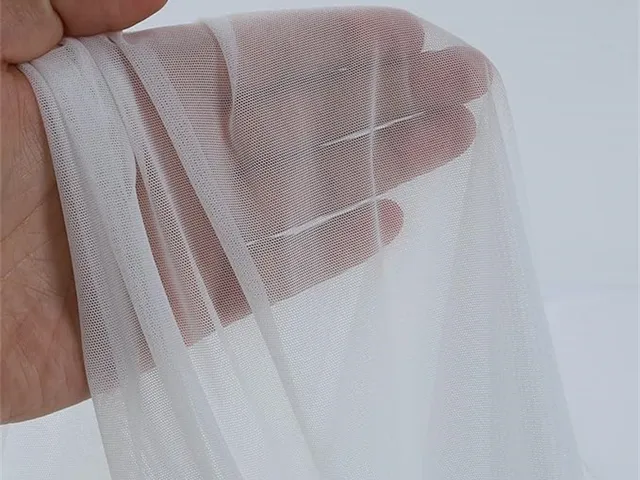
Polyamide spandex stretch lingerie power mesh elastic tulle fabric | Changle Textile
Polyamide spandex stretch lingerie power mesh elastic tulle fabric (FTT070305-1). Specs: 75 GSM, 150 cm, 90% Polyamide. Applications: lingerie, swimwear
Product Details →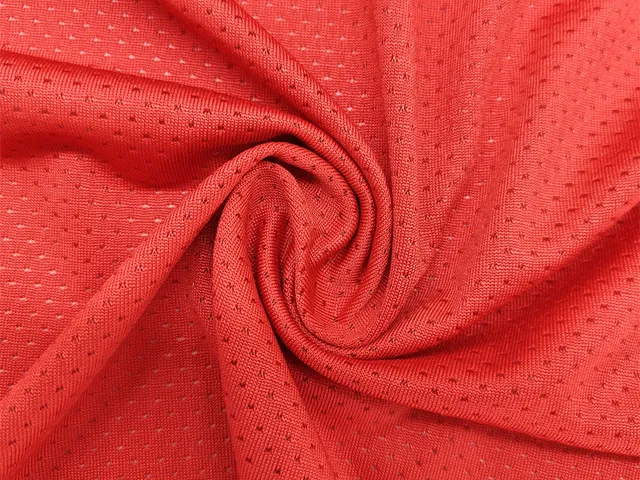
Polyester Spandex Breathable Quick-Dry Butterfly Mesh Fabric | Changle Textile
Polyester Spandex Breathable Quick-Dry Butterfly Mesh Fabric (HS022). Specs: 180 GSM, 170 cm, 93% Polyester 7% Spandex. Applications: sportswear tops
Product Details → 4-Way Stretch Power Mesh Lining FTT30909 | Changle Textile
FTT30909 polyester spandex power mesh lining fabric, 95% polyester 5% spandex, 100 GSM and 160 cm width for lingerie and dancewear
Product Details →Send fabric project request
Share composition, GSM, width, application, finish requirement and estimated order quantity.